
Safe practice with children
QA2, QA3, QA5, and QA7
Personal Care, Dignity, And Safe Practice
Personal care routines must protect children’s health, hygiene, privacy, dignity, rights, safety, comfort, agency, and wellbeing.
Care Routines
Personal Care Is Part Of Professional Practice
Personal care includes toileting, nappy changing, changing clothes, supporting hygiene, assisting a child who is unwell or unsettled, and other situations where children need close physical, emotional, or practical support.
These routines must be warm, respectful, safe, hygienic, and developmentally appropriate. They are also important child safety moments because children may be more vulnerable, need privacy, or rely on adults to notice discomfort, distress, illness, injury, or changes in wellbeing.
Dignity
Respect The Child
Speak respectfully, explain what is happening, give children time where possible, and protect their privacy and sense of control.
Supervision
Stay Attentive
Personal care does not pause supervision. Staff must remain aware of the child being supported and the broader environment.
Hygiene
Use Safe Procedures
Follow service procedures for hand hygiene, cleaning, infection control, waste disposal, records, and communication with families.
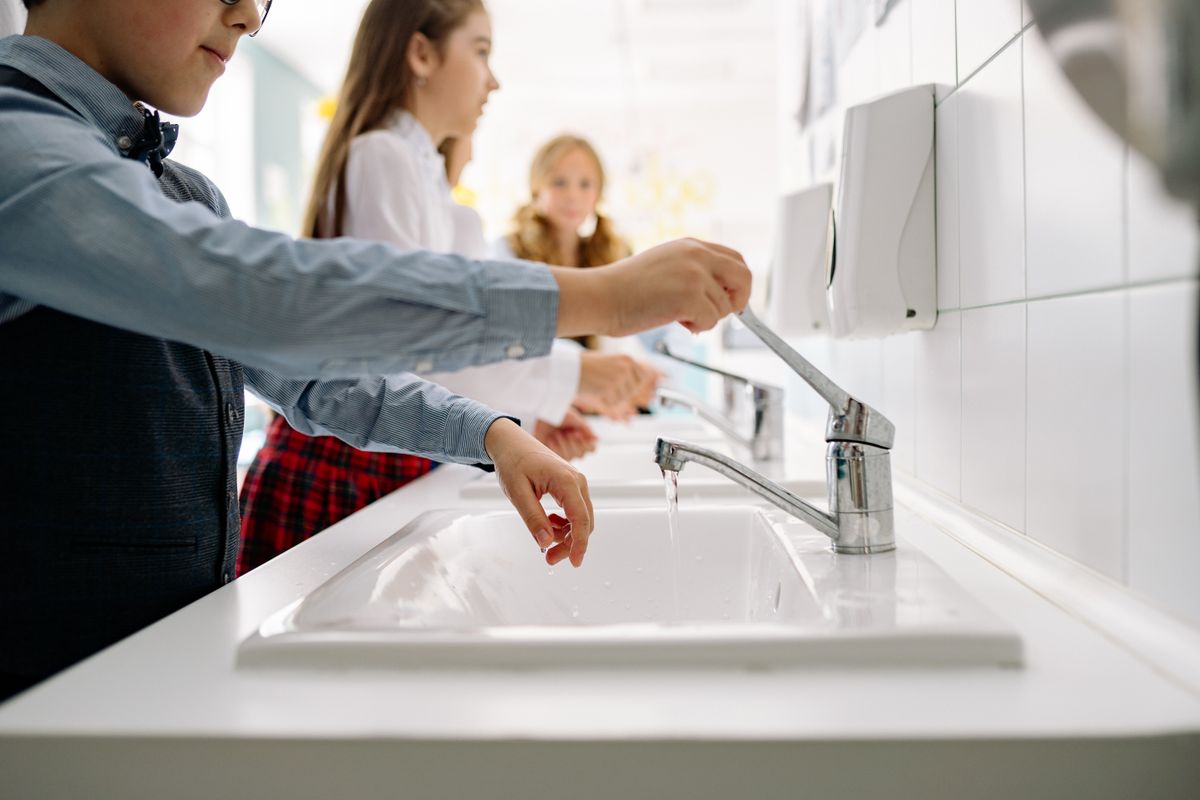
Safe Personal Care In Practice
Clear Communication
Explain what is happening, respond to the child’s cues, and support the child to participate where appropriate.
Privacy And Dignity
Use respectful language, protect the child’s body and privacy, and avoid unnecessary exposure or embarrassment.
Child Safe Practice
Use professional boundaries, respond to discomfort or distress, and raise concerns about injury, unsafe practice, or adult conduct.
Hygiene And Infection Control
Follow hand hygiene, cleaning, nappy change, toileting, waste, laundry, and illness procedures carefully.
Active Supervision
Stay attentive to the child being supported and the other children in the environment. Communicate if supervision needs to shift.
Documentation
Complete required records accurately, including toileting, nappy changes, incidents, illness, injury, or family communication where required.
Toileting, Nappy Changing, And Clothing Changes
Use Respectful Communication
Speak calmly, explain what is happening, use respectful language, and respond to the child’s cues, comfort, and communication.
Protect Privacy
Support toileting, changing, and hygiene routines in ways that protect children’s bodies, dignity, privacy, and confidence.
Follow Hygiene Procedures
Use correct hand hygiene, glove use where required, cleaning, waste disposal, and infection control procedures.
Support Independence
Encourage children to do what they can for themselves, while providing the support they need to feel safe, clean, comfortable, and respected.
Maintain Supervision
Ensure the child being supported and other children remain supervised. Communicate clearly with colleagues when leaving or returning to an area.
Notice And Respond
Be alert to pain, distress, injury, changes in toileting patterns, illness signs, fear, discomfort, or anything that raises concern.
Professional Boundaries During Personal Care
Child Safe Practice
Personal Care Requires Respectful Professional Judgement
Personal care routines involve trust. Staff must use professional judgement, follow service procedures, avoid unnecessary physical contact, protect children’s privacy, and maintain respectful interactions at all times.
If a child appears uncomfortable, distressed, fearful, unusually withdrawn, or strongly resistant to a care routine, pause where safe to do so, respond calmly, and seek guidance from the Nominated Supervisor, Responsible Person, person in day-to-day charge, Education Manager, NERPSA Manager, or approved provider representative.
Any concern about injury, disclosure, unsafe practice, inappropriate behaviour, privacy breach, supervision gap, or concerning adult conduct must be reported promptly.
Power, Privacy, Consent, Communication, And Child Agency
Child Agency
Support Independence Without Rushing
Personal care should support a child’s independence, confidence, and participation. Staff should explain what is happening, give choices where appropriate, allow time, and support the child to do what they can for themselves.
Supporting independence does not mean ignoring safety, hygiene, supervision, or the child’s individual needs.
Respectful Support
Avoid Shaming Or Over-Helping
Staff should never shame, embarrass, rush, punish, tease, or speak negatively about a child’s toileting, hygiene, body, clothing, accidents, illness, or support needs.
Care should be calm, respectful, practical, and focused on the child’s dignity, comfort, privacy, and safety.

Support Independence
Give Children Time To Do What They Can
Child agency is supported when staff slow down, explain what is happening, offer appropriate choices, and encourage children to participate in care routines safely and respectfully.
When Extra Care Is Needed
Higher-Risk Moments
Slow Down, Communicate, And Follow Procedure
Personal care routines need extra attention when:
- a child needs assistance with toileting, dressing, changing, or hygiene;
- a child has a medical condition, disability, developmental need, trauma history, or individual support plan;
- a child is distressed, unwell, injured, tired, unsettled, fearful, unusually withdrawn, or strongly resistant;
- staff are moving between spaces or supporting multiple children at once;
- a child’s behaviour, words, body language, injury, or presentation raises a child safety concern;
- something about the routine, environment, staffing, or adult conduct does not feel safe or appropriate.
Records And Communication
Records
Record What Is Required
Complete required toileting, nappy change, incident, illness, injury, medication, or family communication records according to service procedure.
Records should be factual, respectful, accurate, and completed in the correct place.
Communication
Share Information Appropriately
Share personal care information only with people who need it for the child’s care, safety, health, supervision, or family communication.
If you are unsure whether information should be shared, seek guidance from the Nominated Supervisor, Responsible Person, person in day-to-day charge, Education Manager, NERPSA Manager, or approved provider representative.
NERPSA Policies Connected To This Section
Policy Connection
Policies That Support Safe Personal Care
Key connected policies include Child Safe Environment and Wellbeing, Code of Conduct, Interactions with Children, Supervision of Children, Incident, Injury, Trauma and Illness, Dealing with Medical Conditions, Hygiene and Infection Control, Privacy and Confidentiality, Safe Use of Digital Technologies and Online Environments, and Participation of Volunteers and Students.
Use current NERPSA policies and service procedures when supporting toileting, nappy changing, clothing changes, hygiene, illness, injuries, supervision, privacy, and child safety concerns.
Useful Resources
ACECQA Toileting And Nappy Changing
Guidance on effective toileting and nappy changing procedures.
Open ResourceACECQA Hygiene And Infection Control
Quality Area 2 information connected to health, hygiene, and safe practice.
Open Resource
Required Induction Activity
Think About Dignity In Personal Care Routines
Choose one personal care routine, such as toileting, nappy changing, changing clothes, hygiene support, or assisting a child who is unwell or unsettled.
Think about how you would protect the child’s dignity, privacy, comfort, independence, hygiene, and safety while also maintaining supervision and following service procedures.
Personal Care Is Child Safe Practice
Safe personal care is built through respectful communication, privacy, hygiene, active supervision, professional boundaries, accurate records, and decisions that keep children’s safety, dignity, rights, and best interests paramount.