
Child safety and reporting
QA2, QA5, QA6, and QA7
Child Safe Standards And Child Safe Culture
Child safety is everyone’s responsibility. At NERPSA, children’s safety, wellbeing, dignity, rights, and best interests are paramount.
Child Safe Organisation
What Are The Child Safe Standards?
Victoria’s Child Safe Standards set out the minimum requirements organisations must meet to keep children and young people safe. They require organisations to have child safe policies, procedures, systems, culture, leadership, and everyday practices that prevent and respond to child abuse and harm.
The Standards are not separate from daily work in early childhood education and care. They are reflected in the way staff supervise children, listen to children, work with families, respond to concerns, use technology safely, maintain professional boundaries, and follow NERPSA policies and procedures.
Paramount
Children Come First
Children’s safety, wellbeing, dignity, rights, and best interests guide decisions and actions at every level of the organisation.
Culture
Safety Is Built Daily
Child safety is built through everyday interactions, respectful relationships, active supervision, safe environments, listening to children, and speaking up early.
Responsibility
Everyone Has A Role
Every staff member contributes to child safety, whether they work directly with children, support services, lead programs, or work behind the scenes.
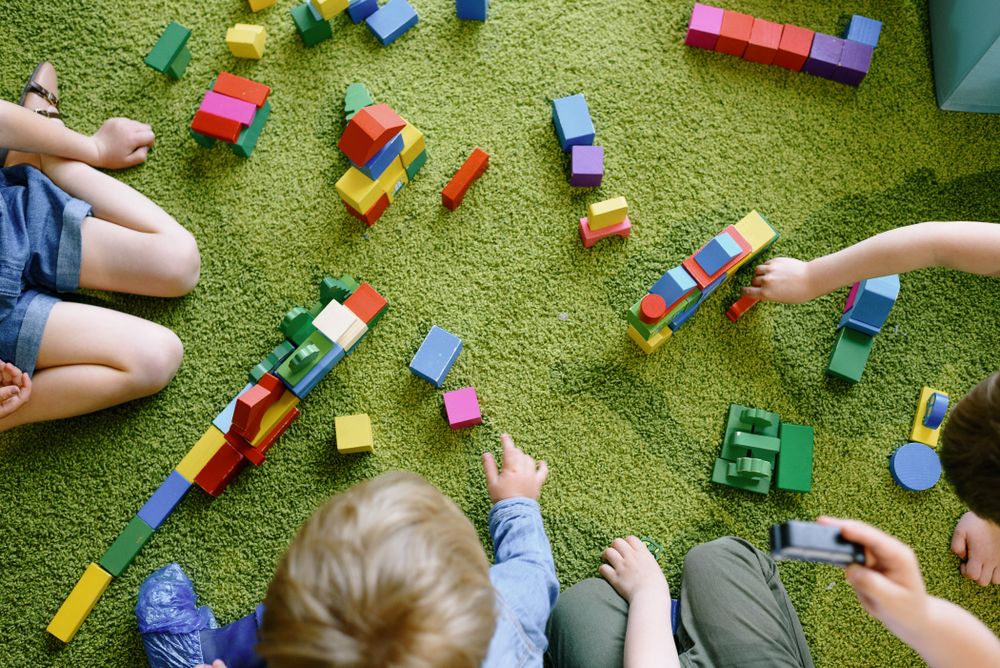
Child Safe Culture Is Daily Practice
Safe Environments Help Children Participate With Confidence
Child safe culture is built through everyday practice: active supervision, respectful relationships, inclusive environments, listening to children, noticing changes, and speaking up when something does not feel right.
Child Safety Accountability
Behaviour Inconsistent With NERPSA’s Child Safe Commitment
Any behaviour inconsistent with this commitment will be responded to promptly, proportionately, and in line with NERPSA’s policies, legal obligations, reporting requirements, and procedural fairness.
Depending on the nature and seriousness of the matter, this may include immediate risk management, internal review or investigation, external notification, referral to police or relevant authorities, disciplinary action, legal action, limits on attendance at the service, or termination of engagement or employment.
The 11 Victorian Child Safe Standards
1. Cultural Safety For Aboriginal Children
Organisations establish a culturally safe environment where Aboriginal children can express their culture and enjoy their cultural rights.
2. Leadership, Governance, And Culture
Child safety and wellbeing are embedded in organisational leadership, governance, and culture.
3. Child And Student Empowerment
Children are informed about their rights, participate in decisions affecting them, and are taken seriously.
4. Family Engagement
Families and communities are informed and involved in promoting child safety and wellbeing.
5. Equity And Diverse Needs
Equity is upheld, diverse needs are respected, and children are supported to participate safely and fully.
6. Suitable Staff And Volunteers
People working with children are suitable and supported to reflect child safety and wellbeing values in practice.
7. Complaints And Concerns
Processes for complaints and concerns are child-focused, accessible, and responsive.
8. Knowledge, Skills, And Awareness
Staff and volunteers are equipped with the knowledge, skills, and awareness needed to keep children safe.
9. Physical And Online Environments
Physical and online environments promote safety and wellbeing while minimising opportunities for children to be harmed.
10. Review And Improvement
Implementation of the Child Safe Standards is regularly reviewed and improved.
11. Policies And Procedures
Policies and procedures document how the organisation is safe for children and young people.
Cultural Safety For Aboriginal Children
Cultural Safety
Cultural Safety Is A Child Safe Responsibility
Child Safe Standard 1 requires organisations to create a culturally safe environment where Aboriginal children can express their culture and enjoy their cultural rights.
In practice, this means staff need to respect Aboriginal culture, support children’s identity and belonging, challenge racism, build respectful relationships, and contribute to environments where Aboriginal children and families feel safe, valued, and included.
First Nations Cultural Awareness
First Nations Cultural Awareness Course
The First Nations Cultural Awareness course is for all staff who work in Early Childhood Education and Care, including administrators, educators, and any other staff.
Through this course, staff will learn about the impact of colonisation on the First Peoples of Australia, hear about the experiences of First Nations Australians in our community and ECEC settings, and discover actions that can be taken in the ECEC environment to support First Nations children, families, staff, and communities.
What This Means In Everyday Practice
Listen To Children
Children’s words, behaviour, body language, emotions, silence, play, relationships, and changes in presentation can all communicate something important. Staff should listen respectfully, take children seriously, and respond in ways that support children’s safety, wellbeing, dignity, and rights.
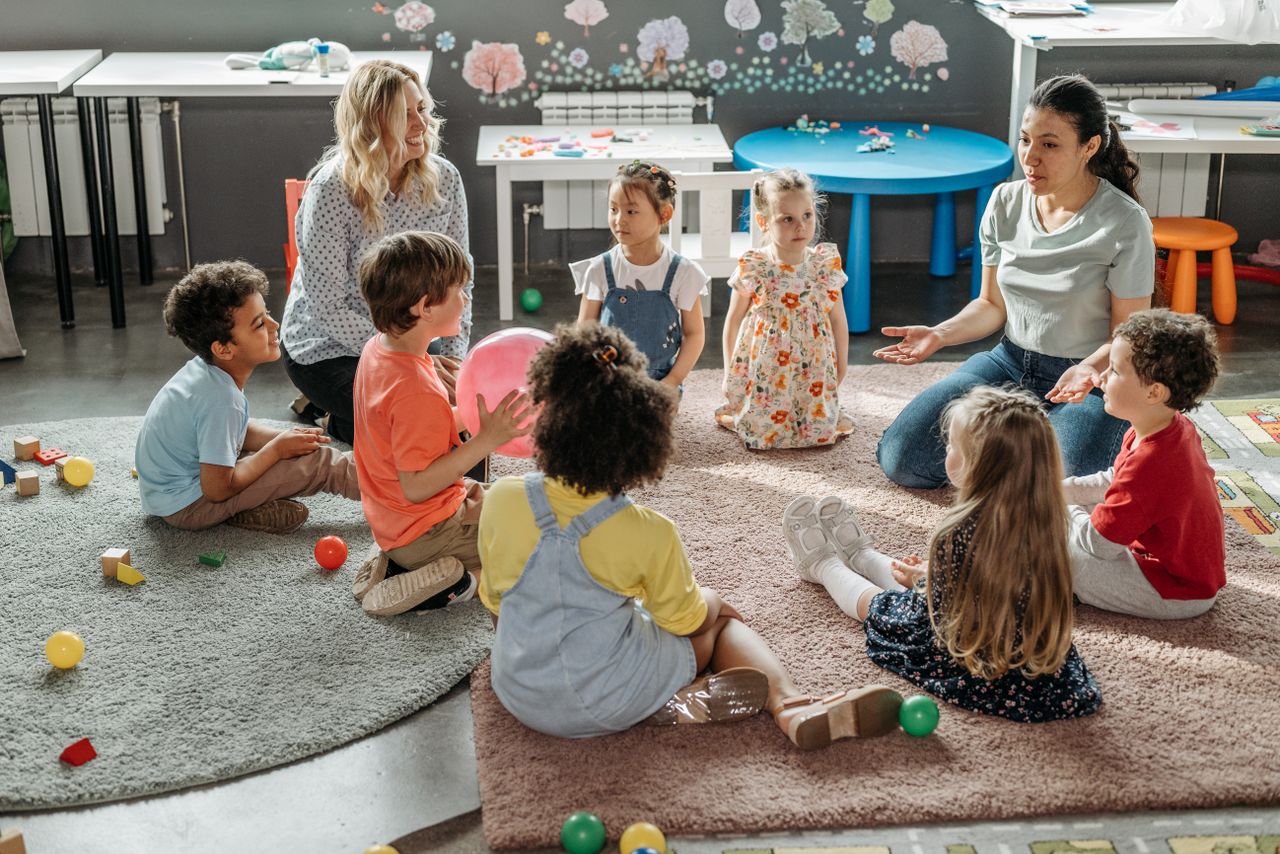
Child Safe Practice
Listen To Children
Notice. Respect. Respond.
Children communicate through words, play, behaviour, emotions, body language, silence or withdrawal, relationships, and repeated themes. At NERPSA, staff listen to children, take them seriously, and respond in ways that support their safety, wellbeing, dignity, and rights.
Children Communicate In Many Ways
Words
Play
Behaviour
Emotions
Body Language
Silence Or Withdrawal
Relationships
Repeated Themes
Support Cultural Safety
Staff contribute to cultural safety by respecting Aboriginal culture, supporting children’s identity and belonging, using inclusive practice, and seeking guidance when they are unsure.
Maintain Active Supervision
Active supervision includes positioning, scanning, listening, knowing children, anticipating risk, responding early, and speaking up if staffing, transitions, environments, or routines create safety concerns.
Use Professional Boundaries
Staff must use safe, respectful, and professional interactions with children, families, colleagues, students, volunteers, visitors, and external providers.
Protect Privacy And Digital Safety
Children’s personal information, images, records, and stories must be handled carefully. Personal devices must not be used to photograph children. Service devices and digital systems must be used in line with NERPSA policy.
Speak Up Early
Child safety concerns, unsafe practice, concerning adult conduct, breaches of professional boundaries, supervision concerns, and possible harm must be raised promptly through the relevant NERPSA pathway, such as the Nominated Supervisor, Responsible Person, Education Manager, NERPSA Manager, HR, child safety reporting process, Reportable Conduct process, or emergency services if there is immediate danger.
Support And Wellbeing
If This Content Feels Upsetting
Child safety content can be confronting. If you read, watch, or hear something during induction that feels upsetting, pause and access appropriate support. NERPSA’s Employee Assistance Program information is available on the NERPSA App and the Staff Resources website.
Training Note
Other Child Safety Training Requirements
NERPSA staff are also required to complete other child safety and child protection training, including national child safety training through Geccko and Victorian EC PROTECT training where this applies to their role.
These requirements are managed through onboarding and ongoing staff compliance processes. If you have already completed these training requirements as part of onboarding, you do not need to repeat them as an activity for this section.
Certificates for required training should be submitted through the Document Submission Form on the Staff Resources website or the NERPSA App.
NERPSA Policies Connected To Child Safety
Policy Connection
Policies Turn Expectations Into Practice
NERPSA’s child safety expectations are supported by service policies and procedures. Staff should use the current policies on the main NERPSA website and ask questions if they are unsure how a policy applies in practice.
Key policies connected to this section include Child Safe Environment and Wellbeing, Code of Conduct, Inclusion and Equity, Supervision of Children, Privacy and Confidentiality, Safe Use of Digital Technologies and Online Environments, and Participation of Volunteers and Students.
Useful Resources
The 11 Child Safe Standards
Commission for Children and Young People information about the 11 Standards.
Open ResourceCultural Safety For Aboriginal Children
Victorian guidance on Child Safe Standard 1 in early childhood services.
Open ResourceGeccko
Australian Government online learning platform used for early childhood education and care training.
Open Geccko InformationNational Child Safety Training
Information about national child safety training requirements for the ECEC sector.
Open Information
Required Induction Activity
Complete First Nations Cultural Awareness Training
Complete the First Nations Cultural Awareness course through Geccko using the link provided by NERPSA.
First Nations Cultural Awareness Course
This course is for all staff who work in Early Childhood Education and Care, including administrators, educators, and any other staff.
- Learn about the impact of colonisation on the First Peoples of Australia.
- Hear about the experiences of First Nations Australians in our community and ECEC settings.
- Discover some actions that can be taken in the ECEC environment to support First Nations children, families, staff, and communities.
After completing the course, download your certificate of completion and submit it through the Document Submission Form. The Document Submission Form is available on the Staff Resources website and the NERPSA App.
Keep a copy of your certificate for your own records.
Child Safety Is Active, Ongoing, And Shared
Child safety is built through culture, leadership, systems, policies, relationships, supervision, cultural safety, reporting, and the everyday decisions staff make with children’s safety, wellbeing, dignity, rights, and best interests as the paramount consideration.