
Inclusion, quality, and digital practice
QA1, QA2, QA5, QA6, and QA7
Inclusion, Equity, and Participation
Inclusive practice helps every child feel welcomed, respected, supported, and able to participate meaningfully in the program.
Inclusion and equity
Inclusion Is Active Practice
Inclusion at NERPSA means every child is welcomed, respected, and supported to participate meaningfully in the program. Equity means recognising that children and families may need different support, communication, adjustments, or planning to experience safety, belonging, dignity, and participation.
Inclusive practice is not separate from child safety, curriculum, relationships, supervision, health, communication, or family partnerships. It is part of how staff plan, respond, reflect, and make everyday decisions.
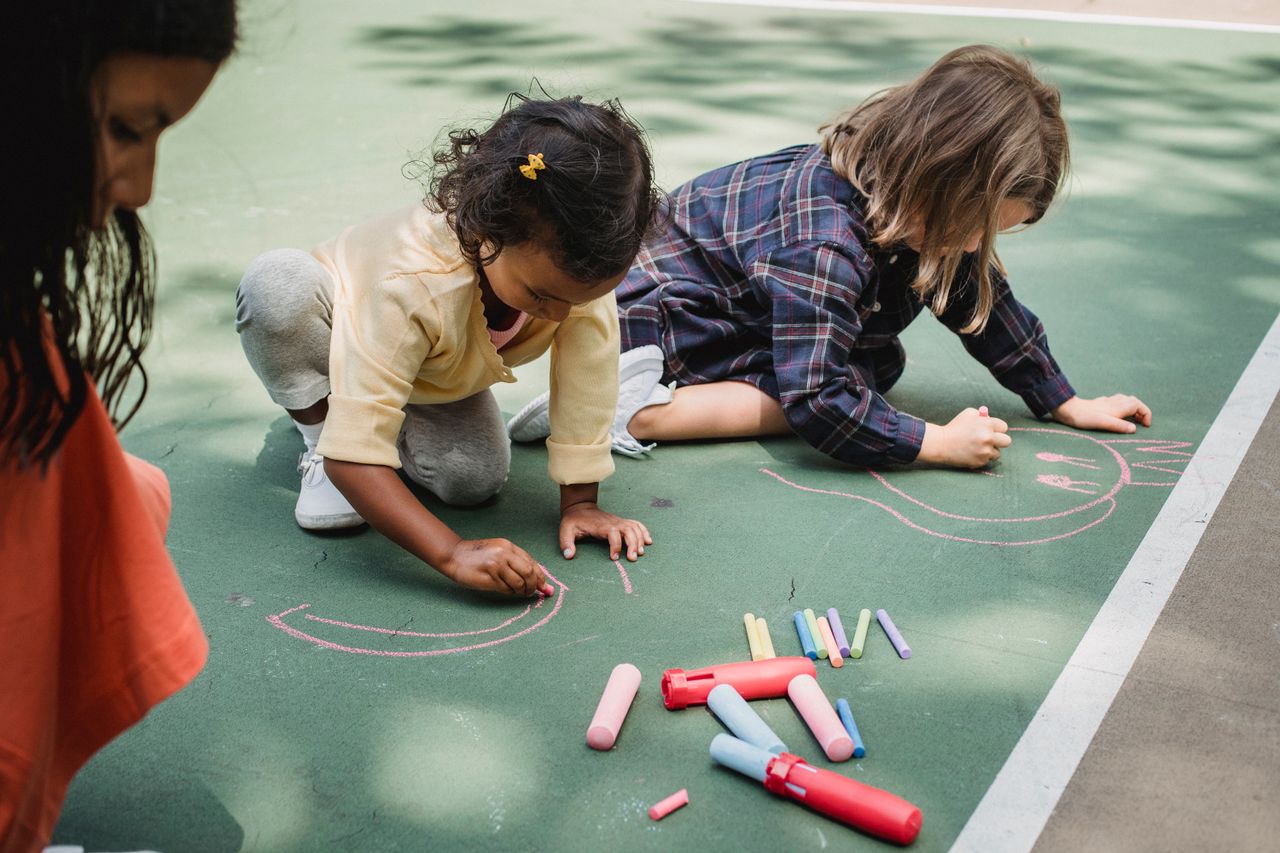
Main page reflection
Inclusion Is Seen In Everyday Moments
The aim is not to add another task to the day. It is to notice whether each child can access the environment, relationships, communication, routines, play, learning, and support around them.

Belonging
Every Child Is Known
Staff use knowledge of each child’s strengths, interests, culture, identity, communication, development, health, family context, and support needs.

Participation
Every Child Can Join In
Staff look for ways children can participate safely and meaningfully in routines, play, learning, relationships, and service life.
Equity
Support May Look Different
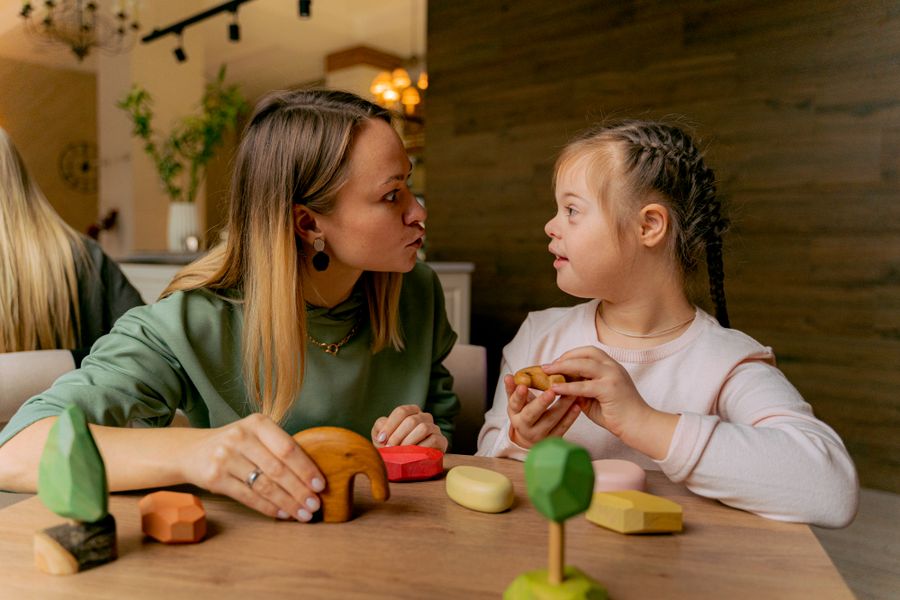
Fairness does not always mean every child receives the same support. Equity means responding to what children need to participate with dignity.
What Inclusive Practice Can Look Like
Practical application
Look For Barriers And Adjust Early
Staff should look for barriers that may affect a child’s participation, including routines, transitions, communication, environments, group expectations, sensory needs, behaviour, health needs, disability, trauma, language, culture, family circumstances, or access to support.
Adjust the environment so a child can move, play, rest, eat, communicate, or participate safely.
Use visual supports, clear language, gestures, routines, or other communication strategies.
Adapt transitions, group times, mealtimes, toileting, rest, or outdoor routines when needed.
Offer choices that support agency, confidence, participation, and regulation.
Plan for children’s strengths, interests, family knowledge, culture, language, and identity.
Seek guidance early when a child may need additional support, planning, or adjustment.
Pop-up guide
Use An Inclusion Lens
Open the guide for a practical way to think about inclusion during routines, planning, interactions, and team discussions.
Pop-up guide
Cultural Safety And Inclusion Audit
Use this guide to look at everyday practice with a cultural safety and inclusion lens. The aim is not to criticise individual staff, but to notice barriers, strengthen belonging, and improve practice.
Pop-up guide
Gender Equality In Everyday Practice
Gender equality in early childhood means children are supported to participate, play, learn, express themselves, and take on roles without being limited by gender stereotypes.
Inclusion Across Everyday Practice
Curriculum and play
Plan For Meaningful Participation
Inclusive curriculum starts with children’s strengths, interests, abilities, culture, language, and experiences. Staff should consider how each child can access the environment, materials, relationships, play, routines, and learning experiences.
Communication
Make Communication Accessible
Children communicate in different ways. Staff should use respectful language, visual supports, gestures, modelling, time to respond, and family knowledge to support children’s understanding, expression, choices, and participation.
Family partnership
Families Know Their Child
Families provide important knowledge about their child’s strengths, culture, communication, routines, health, relationships, interests, and support needs. Staff should communicate respectfully and follow approved privacy and record keeping processes.
Team approach
Ask Early And Plan Together
Inclusion works best when staff share relevant information, reflect together, follow current plans, and seek guidance early. If a child is not able to participate safely or meaningfully, raise this through the service pathway.
Avoid assumptions
Use Strengths-Based And Respectful Language
Staff should avoid labelling children or families, making assumptions about ability, culture, behaviour, parenting, communication, disability, trauma, family circumstances, or participation. Concerns should be discussed respectfully, factually, and through the correct service pathway.
When needs are unclear, staff should seek guidance rather than guessing, lowering expectations, excluding the child, or relying on informal arrangements.
When Extra Support May Be Needed
Speak up early
Raise Participation Concerns Early
Staff should seek support when a child is finding it difficult to participate safely, meaningfully, or with dignity, or when the current environment, routine, communication, staffing, supervision, or support arrangement is not meeting the child’s needs.
This may involve discussion with the Nominated Supervisor, Responsible Person, person in day-to-day charge, Educational Leader, Director, Education Manager, or another approved NERPSA pathway, depending on the concern and service procedure.
Policies Connected To This Section
Policy connection
Policies That Support Inclusion, Equity, And Participation
Key connected policies include Inclusion and Equity, Interactions with Children, Child Safe Environment and Wellbeing, Code of Conduct, Educational Program, Enrolment and Orientation, Privacy and Confidentiality, Supervision of Children, Dealing with Medical Conditions, Nutrition and Active Play, and Compliments and Complaints.
Use current NERPSA policies on the main NERPSA website and follow local service procedures. If an adjustment, support need, family communication matter, record, or participation concern is unclear, seek guidance before proceeding.
Useful Resources
NERPSA Inclusion and Equity
Current NERPSA policy connected to inclusive practice and participation.
Open policyNERPSA Interactions with Children
Current NERPSA policy for respectful and safe interactions with children.
Open policyNERPSA Child Safe Environment
Current NERPSA child safe environment and wellbeing policy.
Open policyACECQA Inclusive Environments
Guidance connected to inclusive environments, diversity, and participation in education and care.
Open resourceVEYLDF Equity And Diversity
Victorian practice guidance connected to equity, diversity, and inclusive early childhood practice.
Open resourceVictorian Gender Equality Strategy
Victorian information about challenging gender norms, biases, and stereotypes from early life.
Open resource
Required Induction Activity
Think About Inclusion In Everyday Practice
Choose one routine, transition, or part of the program where a child may need extra support to participate meaningfully.
Think about:
- what the child may be communicating;
- what barrier may be making participation harder;
- what strength, interest, relationship, or family knowledge could help;
- what adjustment could support participation, safety, dignity, or belonging;
- who you would speak with if you needed guidance.

Inclusion Is Part Of Quality And Child Safety
Inclusive practice is built through relationships, respectful communication, family partnership, accessible environments, thoughtful planning, active supervision, strengths-based thinking, and early support when barriers affect participation.