
Staff wellbeing, employment, and professional growth
QA1, QA4, and QA7
Reflective Practice, Professional Learning, And PDPs
Reflective practice helps staff think carefully about what is happening, why it matters, and how practice can continue to improve for children, families, teams, and services.
Reflective Practice
Reflection Is Part Of Quality Practice
Reflective practice means pausing to think about practice, decisions, relationships, environments, routines, communication, and outcomes. It helps staff notice what is working, what could be strengthened, and what may need to change.
In early childhood education and care, reflection supports curriculum decisions, child safety, inclusion, professional learning, teamwork, and continuous improvement.
Notice
What Is Happening?
Reflection begins by noticing what is happening in practice, including children’s experiences, routines, relationships, learning, wellbeing, and staff decisions.
Understand
Why Does It Matter?
Reflection asks what the situation means for children, families, the team, the program, inclusion, safety, and quality practice.
Improve
What Could Change?
Reflection should support thoughtful action, not just discussion. It can lead to changes in planning, routines, environments, communication, or support.
Meaningful Reflection
Meaningful Reflection Asks:
- What did we notice?
- What might this mean for the child or group?
- Whose perspective have we considered?
- What assumptions might we be making?
- What does this tell us about our environment, routine, or practice?
- What should we keep, adjust, or explore further?
Reflection Is Not Just:
- writing down what happened;
- describing an activity;
- identifying what went wrong;
- blaming a child, family, or colleague;
- adding paperwork without purpose;
- waiting until the end of the year to think about practice.
Reflection In Everyday Practice
Children’s Learning
Reflection helps educators consider children’s interests, strengths, needs, voices, relationships, and what learning may happen next.
Inclusion And Equity
Reflection helps staff consider whether every child and family feels safe, respected, included, and able to participate.
Team Practice
Reflection helps teams learn from each other, recognise strengths, improve communication, and build shared expectations.
Service Improvement
Reflection can identify patterns, risks, gaps, strengths, and opportunities for improvement across the service.
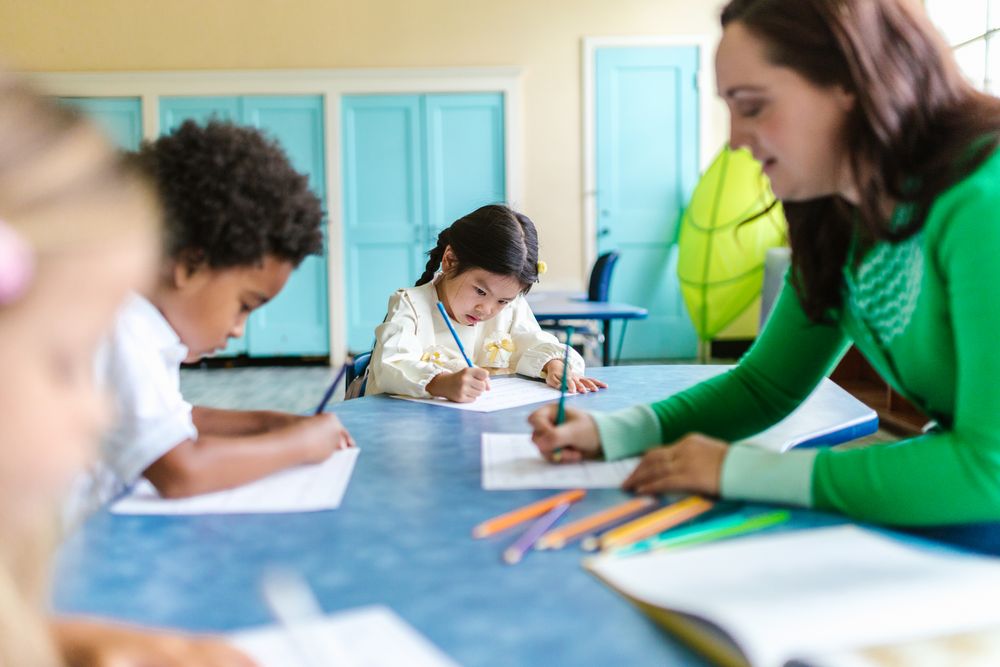
Observation Supports Reflection
Careful Observation Helps Educators Understand Learning
Reflection begins with noticing. Observing children’s play, communication, relationships, interests, strengths, and needs helps educators make thoughtful decisions about curriculum, inclusion, support, and next steps.
Reflective Questions
Reflective Practice Supports Child Safety
Reflective practice helps staff notice what is working, what is unclear, what could be safer, and what support may be needed.
?
Did our supervision work well during that transition?
?
Were ratios maintained, and was supervision actually adequate?
?
Did children have a voice in what happened?
?
Did our practice protect children’s dignity and privacy?
?
Did we communicate clearly as a team?
?
Which NERPSA policy, procedure, service routine, or leadership pathway applied, and did we follow it clearly?
?
Did anything feel unsafe, rushed, unclear, or inconsistent?
?
What should we do differently next time?
?
Do we need to update a risk assessment, routine, environment, or communication process?
?
Do we need support from an Education Manager, service leader, or Head Office?
Reflective practice is part of professional accountability. It helps NERPSA improve systems, support staff, and keep children’s safety, wellbeing, dignity, rights, and best interests at the centre of practice.
Professional Learning
Ongoing Learning
Learning Continues After Induction
Induction is the beginning of professional learning at NERPSA. Professional learning continues through service practice, team discussions, coaching, feedback, policy updates, professional development, reflective practice, and the annual PDP cycle.
Staff are encouraged to connect learning back to their role, their service context, the children they work with, and the priorities identified through reflection and feedback.
Professional Development Plans
PDP Cycle
Develop, Review, And Rewrite
A PDP is developed after probation, reviewed during the year, and rewritten each year as part of the annual cycle.
PDPs support professional growth by helping staff identify goals, record professional learning, reflect on progress, and connect development to their role and service priorities.
Online Access
Use Your PDP Link
The PDP is accessed and completed online and can be completed on a computer, tablet, or phone. It can also be saved and printed for staff records.
After submission, staff receive an email with a link. Staff should retain that email and link.
Child Safe Practice
PDPs Can Include Child Safe Practice
Professional growth at NERPSA includes strengthening knowledge, judgement, confidence, and practice in areas that keep children safe and support quality education and care.
A staff member’s PDP may include goals connected to:
active supervision
child safety and reporting
cultural safety
inclusion and equity
child voice and children’s rights
professional boundaries
communication with families
privacy and record keeping
behaviour guidance
trauma-informed practice
digital safety
sleep and rest
health and medical procedures
leadership, mentoring, or service improvement
PDPs should connect professional learning with everyday practice. They are not just a form to complete. They help staff reflect, identify goals, record learning, and strengthen practice over time.
PDP Purpose
A PDP Should Be Practical
The PDP link allows staff to return to their PDP throughout the year to edit and update goals, log professional learning activities, add reflections, review progress, and evaluate growth.
Goals may relate to curriculum, child safety, inclusion, communication, leadership, team practice, documentation, behaviour guidance, cultural safety, wellbeing, or another area connected to the staff member’s role.
How Reflection And PDPs Work Together
Reflection
Notice Patterns
Reflection helps staff notice strengths, challenges, interests, questions, and areas where practice could be strengthened.
Feedback
Use Feedback Well
Feedback from leaders, colleagues, families, children, and professional conversations can help shape meaningful professional goals.
PDP
Turn Learning Into Action
PDPs help turn reflection and feedback into clear goals, actions, learning opportunities, and review points.
Simple Reflective Cycle
A simple reflective cycle can help staff move from noticing to action. This can be used in team discussion, supervision conversations, professional learning, PDP thinking, or everyday service improvement.
What happened?
What did we notice?
What might this mean?
What could we try next?
How will we know whether it helped?
NERPSA Resources Connected To This Section
Staff Resources
Use Current NERPSA Staff Resources
Staff should use the Staff Resources website for current PDP information, professional development information, Position Descriptions, Staff Handbook information, and any relevant staff forms or resources.
Useful Resources
ACECQA Reflective Practice
Developing a culture of learning through reflective practice.
Open ResourceEYLF Critical Reflection
Information sheet on critical reflection and ongoing professional learning.
Open ResourceStaff Resources Website
Use the Staff Resources website for PDP information and staff resources.
Open Staff Resources
Required Induction Activity
Connect Reflection To Practice
Choose one routine where child safety depends on staff noticing, communicating, and adjusting practice. This might be a transition, toileting routine, mealtime, sleep/rest period, arrival, departure, outdoor play, or a time when a child needs extra support.
Think about what good reflective practice could help the team notice or improve.
Reflection Helps Practice Improve
Reflective practice, professional learning, feedback, and PDPs help staff continue growing in ways that support children, families, teams, services, and NERPSA’s commitment to quality practice.